
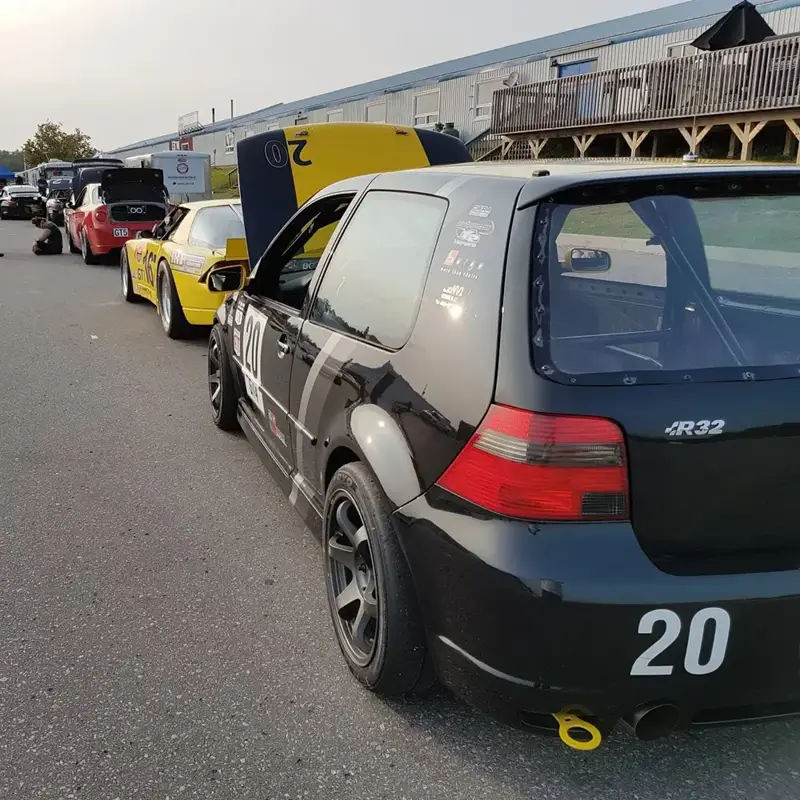
Endurance racing demands a different mindset from sprint racing.
Success depends on more than outright speed. Reliability, consistency, pit procedures, driver management, and effective decision-making all influence the final result.
GGS Motorsports' endurance racing program incorporates driver strategy, pit crew support, and communications into the race weekend experience.
Why Endurance Racing Requires a Strategy
In a short race, drivers may focus primarily on maximizing pace over a limited number of laps.
In endurance competition, teams must balance performance against the demands of operating the vehicle for an extended period.
A single mechanical problem or avoidable incident can outweigh the benefit of several exceptionally fast laps.
Driver Rotation Planning
Many endurance racing events involve multiple drivers sharing one vehicle.
Teams must consider event regulations, driver availability, maximum driving periods, fatigue, and the timing of pit stops.
Clear planning helps reduce uncertainty during driver changes.
Fuel Management
Fuel consumption influences stint duration and pit stop timing.
Teams may estimate consumption based on previous sessions, available vehicle data, and expected operating conditions.
Actual consumption can vary with driving style, weather, traffic, and race conditions.
Pit Stop Coordination
An efficient pit stop requires every team member to understand their responsibilities.
Fueling, driver changes, safety procedures, and mechanical checks must follow applicable regulations.
Consistency and procedural accuracy are more important than rushing an unsafe stop.
Race Communications
Drivers and crew members need clear communication about race conditions, vehicle behavior, and planned stops.
GGS Motorsports lists driver radio communications among its supported race weekend features.
Mechanical Sympathy and Reliability
Endurance drivers must consider how their actions affect the vehicle over time.
Aggressive curb use, poor shifting technique, avoidable contact, and excessive mechanical stress can compromise an entire team's race.
A disciplined driver helps preserve the vehicle for everyone sharing it.
Strategy Is Mostly Planning
Most endurance strategy is decided before the green flag: stint lengths, fuel windows, driver order, and what to do if a caution comes out. Having a plan lets the team react calmly when the race changes.
Clean laps are a strategy too. Avoiding contact, penalties and unnecessary pit visits often gains more time over a long race than chasing a few tenths per lap.
Communication Wins Races
Simple, consistent radio calls or pit boards keep the driver informed without distracting them. Agree on terms and signals before the race starts.
Frequently Asked Questions
What is an endurance racing stint?
A stint is a period of driving between pit stops or driver changes.
How do teams decide when to pit?
They consider fuel, regulations, driver requirements, vehicle condition, and race circumstances.
Is the fastest driver always the most valuable?
Not necessarily. Consistency, reliability, and good judgment are extremely important.
Does GGS help coordinate endurance race strategy?
Driver strategy and communications are listed within its published ChampCar program.
What is a fuel window?
It is the range of laps in which a car must stop for fuel based on its consumption and tank capacity, adjusted for series rules and race conditions.
EXPERIENCE THE STRATEGY, TEAMWORK, AND EXCITEMENT OF ENDURANCE RACING WITH GGS.
Get in touch →