
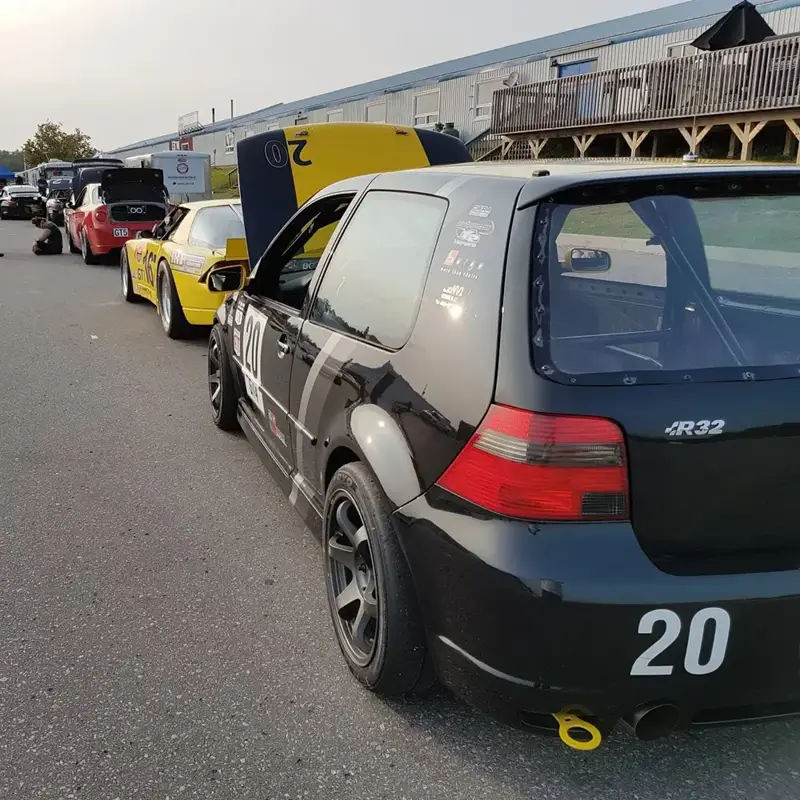
The driver may be the person behind the wheel, but a successful racing program depends on the people supporting the vehicle and the event.
From preparing the car to coordinating pit stops and monitoring race progress, team operations influence every stage of competition.
GGS Motorsports offers supported endurance racing experiences that include pit crew assistance, driver communications, and event coordination.
What Does a Race Team Actually Do?
A race team manages the vehicle and operational responsibilities required to participate in a competitive event.
These responsibilities can involve vehicle preparation, technical inspections, fueling, tire management, pit procedures, communications, and mechanical troubleshooting.
The exact staffing requirements depend on the race format, vehicle, and event regulations.
Understanding Pit Crew Responsibilities
Mechanical Preparation
Technicians help prepare the vehicle and evaluate its condition between driving sessions.
Fueling Operations
Fueling must follow event-specific procedures and safety requirements.
Tire Management
Teams monitor tire condition and determine whether adjustments or replacements are appropriate.
Driver Changes
In endurance racing, driver changes require coordination, clear communication, and compliance with series regulations.
Race Communications
Effective communication helps drivers understand instructions, changing conditions, and team decisions.
The Importance of Team Coordination
A racing team must make decisions under time pressure.
Unexpected mechanical problems, changing weather, caution periods, and traffic conditions can all affect race operations.
Clear responsibilities and established procedures help reduce confusion.
GGS Motorsports Endurance Team Support
GGS Motorsports' published ChampCar endurance package includes a pit crew, driver strategy and communications, refueling and tire stops, and race entry coordination.
These services are intended to support drivers participating in its endurance racing program.
Roles on a Race Weekend Crew
Even a small crew benefits from clear roles: someone responsible for fuel, someone for tires, someone tracking timing and strategy, and someone communicating with the driver. Knowing who does what keeps stops fast and safe.
Practicing driver changes and pit stops before the race pays off. A few rehearsals in the paddock can save valuable seconds and reduce mistakes under pressure.
Safety in Pit Lane
Pit lane rules, speed limits and fueling procedures exist for good reason. A disciplined crew follows them every time, even when the race situation feels urgent.
Frequently Asked Questions
What does a pit crew do?
Pit crew responsibilities may include fueling, tire service, mechanical work, and assistance during driver changes.
Does endurance racing require a team?
Most multi-driver endurance racing programs depend on coordinated team operations.
Does GGS provide pit crew support?
Yes. Pit crew services are listed within its ChampCar endurance program.
Can GGS supply crew members to another team?
Standalone crew contracting has not been verified and should be discussed directly with GGS.
How many people do I need on a pit crew?
It depends on the series rules and the race length. Check how many crew members are allowed over the wall for the event you are entering.
EXPERIENCE RACING WITH A TEAM BEHIND YOU — CONTACT GGS MOTORSPORTS.
Get in touch →