Learn Racing · Getting Started · 6 min · Beginner
Your First Track Day: The Honest Guide
What a first HPDE track day is really like — how to sign up, what to bring, how the day runs and the mistakes most beginners make.

A track day — usually called an HPDE, for High Performance Driver Education — is not a race. There's no grid, no trophy and no stopwatch that matters. It's a structured day where you drive a real racetrack with an instructor, in run groups sorted by experience, with passing only in marked zones. It's the single best entry point into motorsports.
How to sign up
Organizers like NASA, SCCA Track Night in America, Chin Track Days, Hooked on Driving and local car clubs run HPDE events at tracks such as VIR and Carolina Motorsports Park. Pick a novice-friendly event, register for the beginner group and ask for an in-car instructor — most beginner groups include one by default.
What to bring
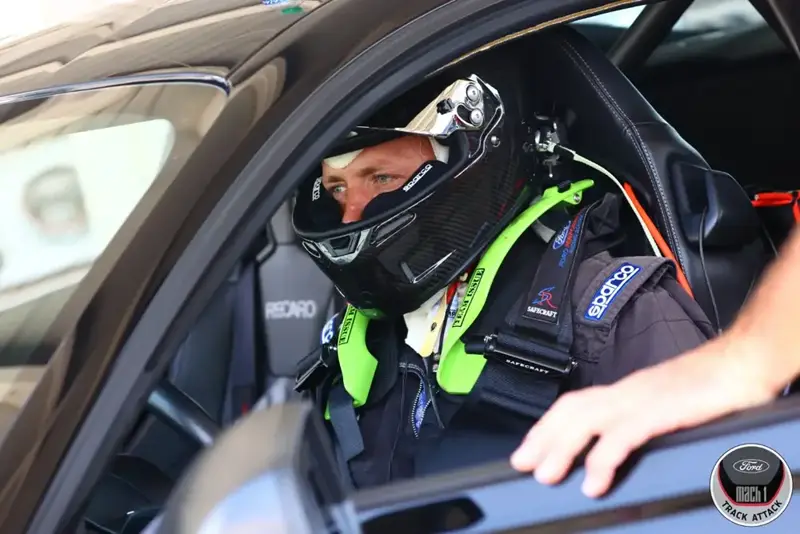
- A helmet meeting the event's rating (usually Snell SA2015/SA2020 or M-rated; check the rules).
- Long pants, closed-toe thin-soled shoes and a cotton long-sleeve shirt.
- Your driver's license and the completed tech inspection form.
- Water, snacks, sunscreen, a folding chair and a tire pressure gauge.
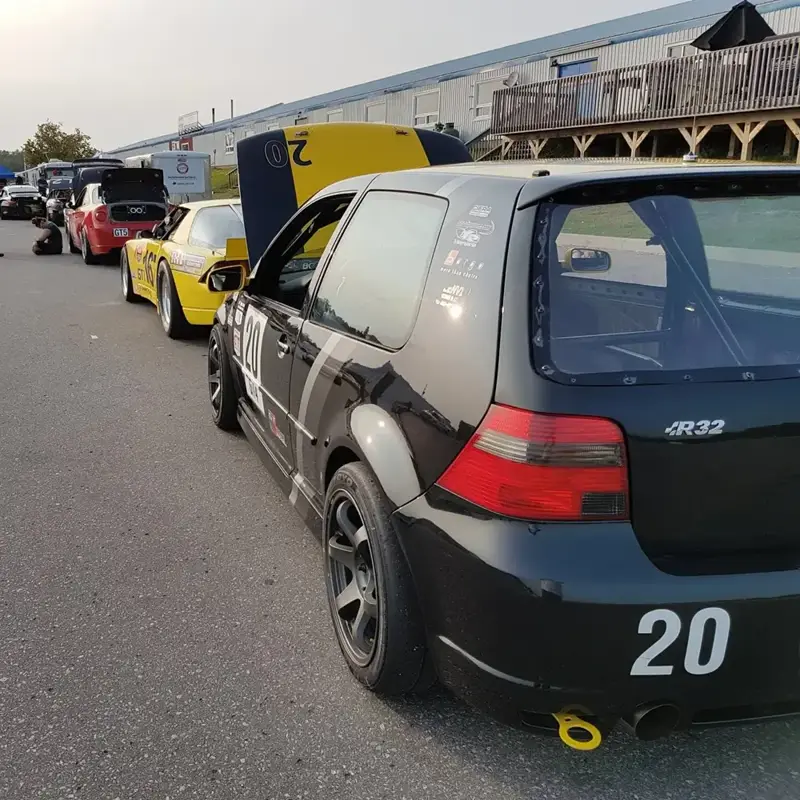
- A car with fresh brake fluid, good pads, healthy tires and nothing loose inside.
How the day actually runs
Expect an early morning: arrive, unload, pass tech, attend the drivers' meeting. Then you'll rotate between 20–30 minute sessions on track and classroom debriefs. Your first laps are slow on purpose — you're learning flags, the line and where the pit entry is. By the afternoon most people are noticeably smoother and faster.
Mistakes most beginners make
- Driving to impress instead of driving to learn. Your instructor cares about consistency, not lap times.
- Ignoring flags or mirrors. Point-bys and flag stations are how everyone stays safe.
- Forgetting to hydrate. Fatigue shows up as sloppy braking long before you feel tired.
- Skipping the cool-down lap and parking with the handbrake on hot brakes.
Don't have a track-ready car?
That's exactly why Arrive & Drive exists. You show up, the car is prepared and supported, and you focus on learning. Tell us what you're looking for and we'll help you plan your first day.