Learn Racing · Driving Technique · 10 min · Intermediate
Trail Braking, Explained by Feel
What trail braking is, why it makes a car turn, and a step-by-step way to practice it safely without spinning.
Trail braking is one of those techniques that sounds mysterious until you feel it. Simply put: instead of finishing all your braking in a straight line, you keep a little brake pressure as you start to turn in, and gradually release it as you add steering.
Why it works
Braking shifts weight onto the front tires. More weight on the front means more front grip, which helps the car rotate into the corner. Releasing the brake smoothly while adding steering keeps the tires near their limit the whole time — you're trading braking grip for cornering grip instead of wasting some of it.
What it feels like
Done right, the car feels like it 'settles' and points toward the apex with less steering than you expected. Done wrong — releasing too abruptly or holding too much brake — the car either pushes wide or the rear gets light. Smooth is the whole secret.
How to practice it
- Master threshold braking in a straight line first. Trail braking builds on it.
- Pick one slow corner with plenty of run-off. Don't learn this at the fastest corner on the track.
- Brake as normal, then instead of snapping off the pedal, ease off over the first part of turn-in.
- Think of brake and steering as a seesaw: as one goes up, the other comes down.
- Add a little more overlap each session. Ask your coach to watch your entry.
Car matters
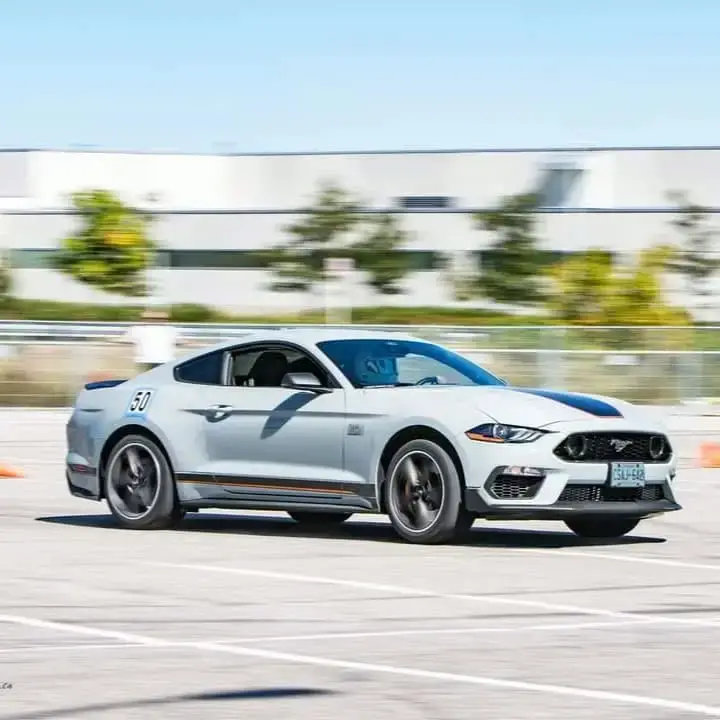
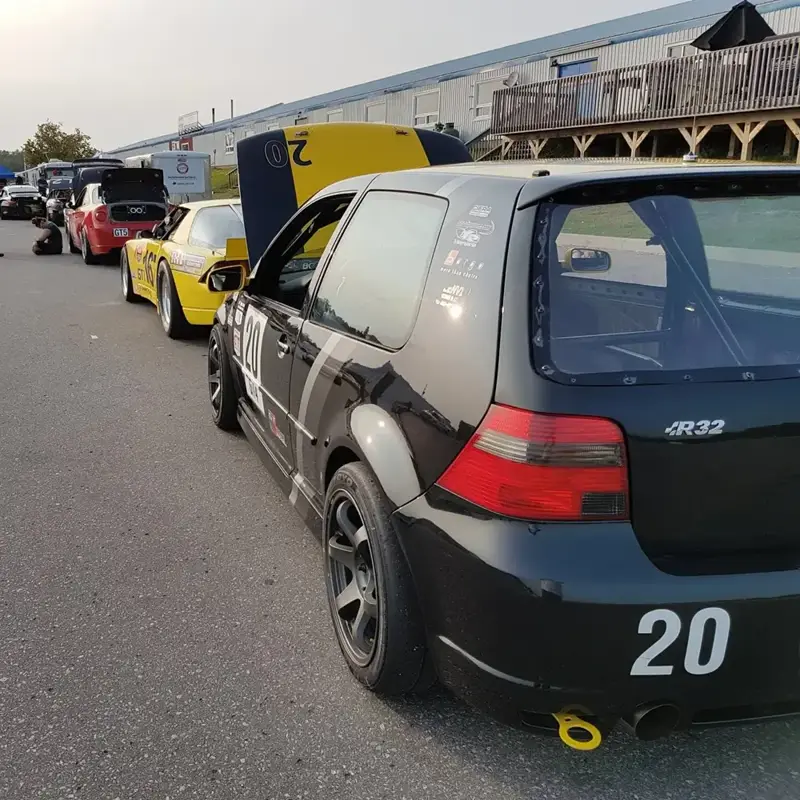
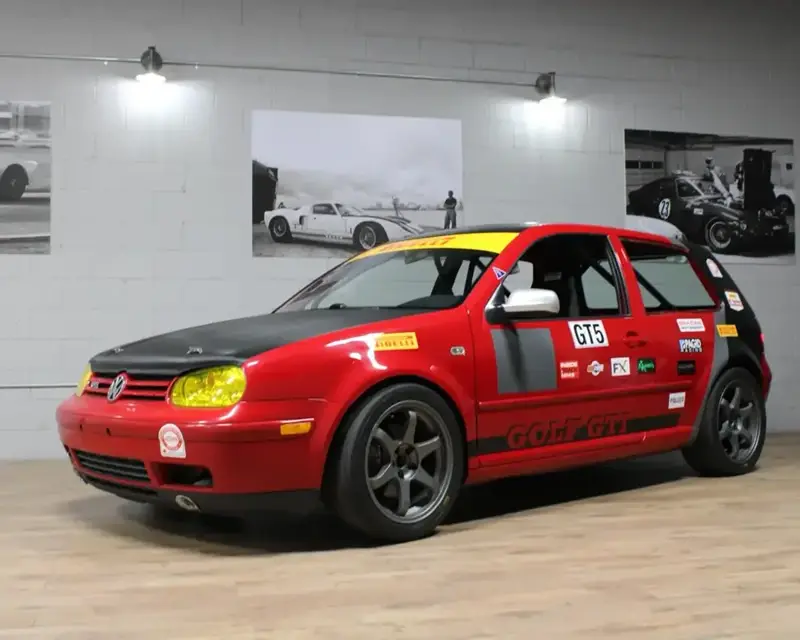
Front-wheel-drive cars like a GTI love trail braking — it helps them rotate. Rear-wheel-drive cars like a Mustang respond strongly too, so be gentle at first. Data logging makes this easy to see: look for brake pressure tapering as steering angle rises.
Get coached
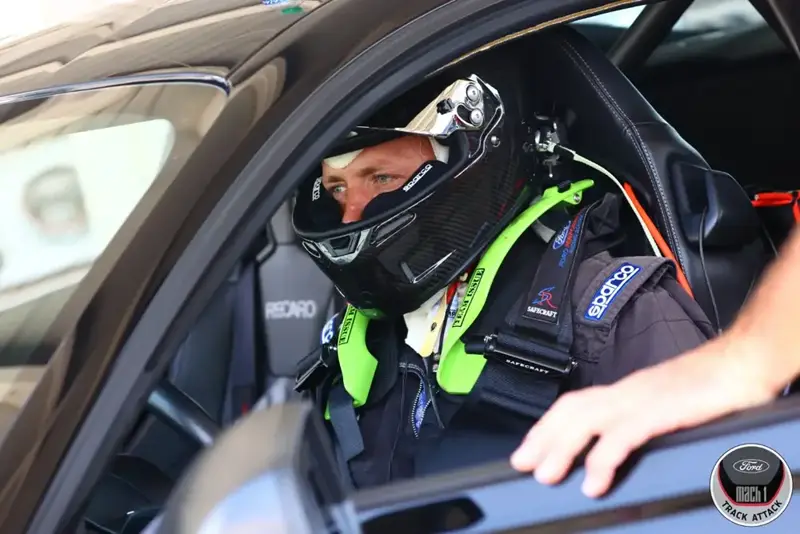
Trail braking is much easier to learn with an instructor beside you or a coach reviewing your data. If you want help with technique, reach out and tell us where you are in your driving.