Learn Racing · Budget Racing · 8 min · All Levels
How Much Does Racing REALLY Cost?
An honest breakdown of what grassroots racing costs — track days, owning a race car, endurance racing and Arrive & Drive — and how to keep it affordable.
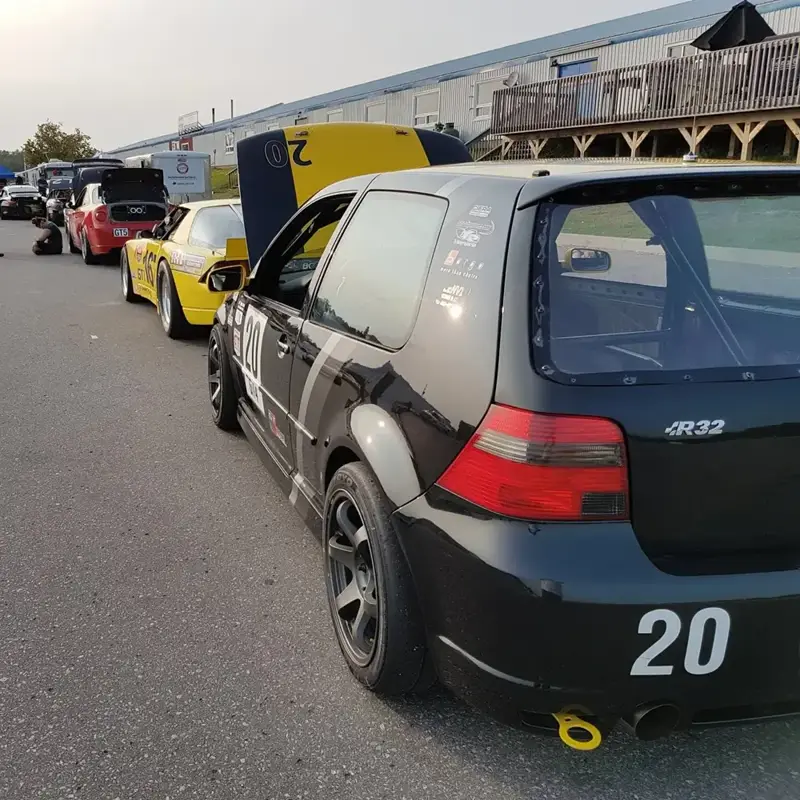
The most common reason people never try racing is the assumption that it costs a fortune. Some of it can. But grassroots motorsports is built around real people on real budgets, and there's a path for almost every wallet.
Track days in your own car
This is the cheapest way in. You'll pay an event entry fee, plus gas, a set of brake pads and tires wearing faster than usual. The hidden costs are wear items and the risk of damaging a car you also need for Monday morning.
Owning a dedicated race car
The purchase price is only the start. Ownership means a trailer or transport, a tow vehicle, storage, safety equipment (cage, seat, belts, fire system), consumables like tires, brakes and fluids, and repairs when something breaks — and something always breaks. Many racers say the yearly running cost ends up larger than the car itself.
Endurance racing with a team
Series like ChampCar and others are designed for budget-built cars and shared costs. Split across four or five drivers, a weekend of endurance racing can be surprisingly reasonable per person — and you get a lot of seat time.
Arrive & Drive
With Arrive & Drive you pay for the seat and the support, not for ownership. The car is prepared, transported and maintained, and there's someone in the paddock to help. It's often the most predictable way to budget a race weekend because you aren't absorbing every repair bill yourself.
How to keep costs down
- Start with HPDE before buying anything big.
- Buy your helmet and gear once — the right rating — instead of twice.
- Share costs: co-drive, split transport and pool spares.
- Ask every provider exactly what's included: tires, fuel, damage policy, entry fees.
- Spend money on coaching before horsepower. It's the cheapest lap time you'll ever buy.